
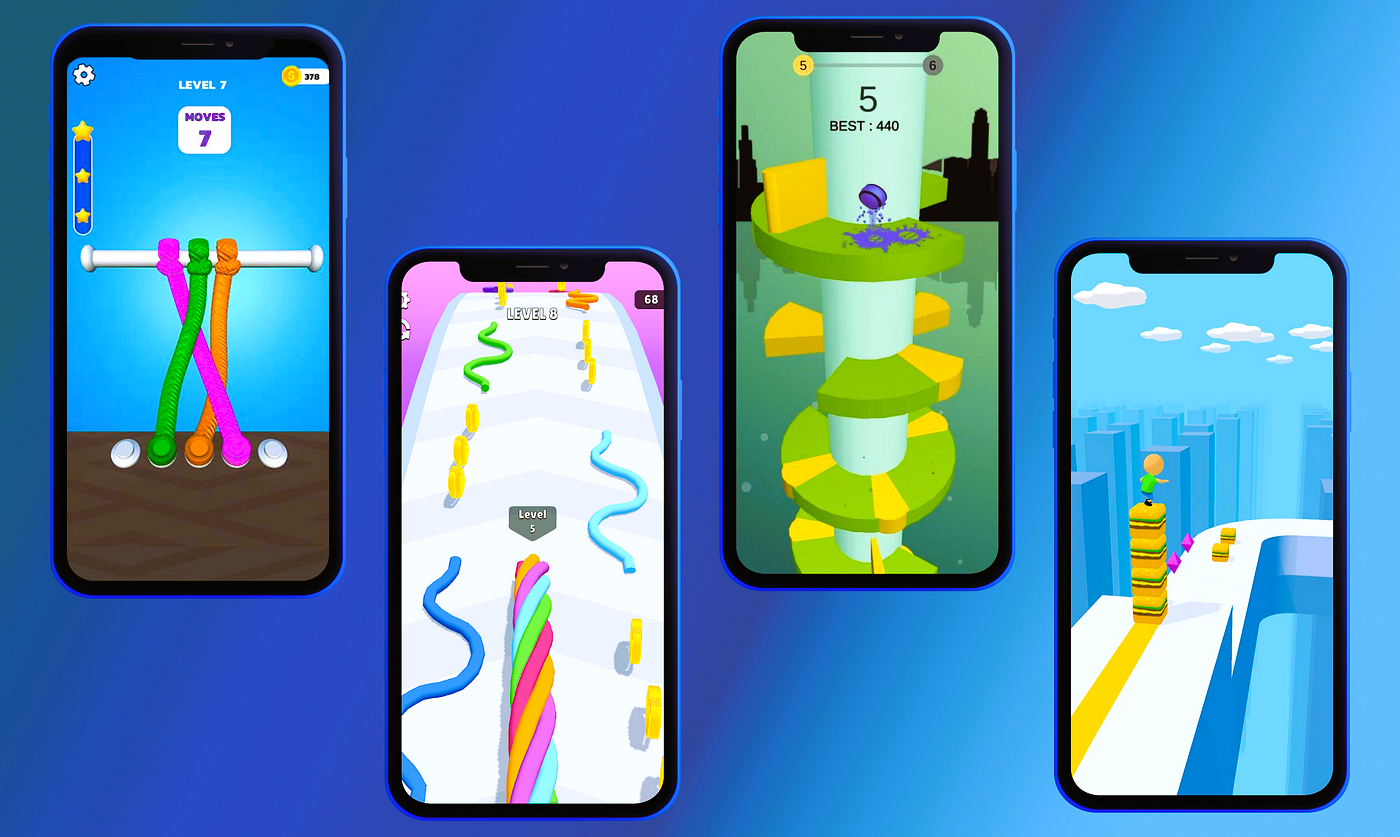
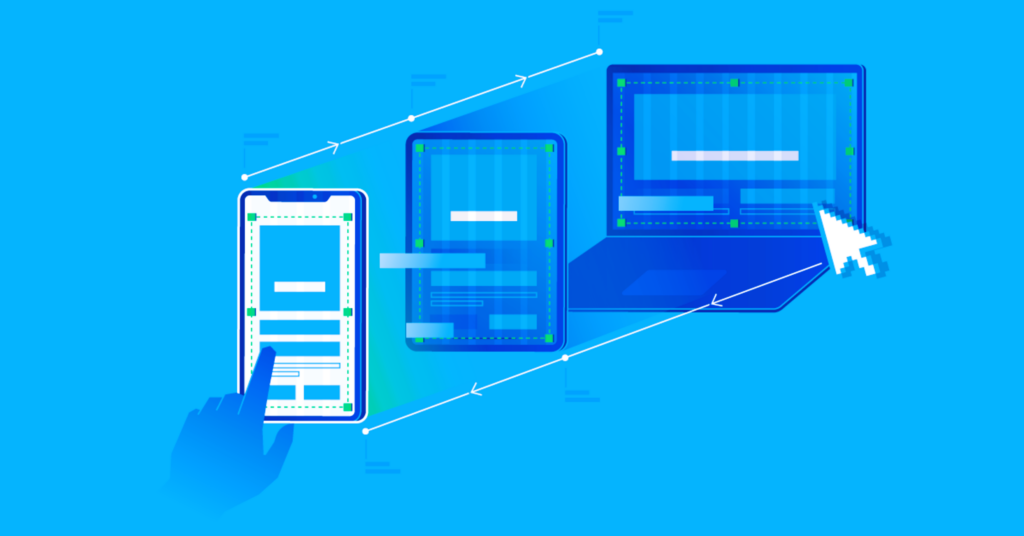
In today’s gaming industry, mobile games have become a major segment, with millions of players engaging on smartphones and tablets. To ensure a successful gaming experience across diverse devices, developers need to focus on creating responsive user interfaces (UIs). A responsive UI adapts to various screen sizes, orientations, and resolutions, providing a seamless experience regardless of the device. This article outlines best practices for building responsive UIs for mobile games, ensuring that your game looks and functions optimally on all devices using gmod hosting.
1. Understand the Mobile Landscape
Before diving into UI design, it’s crucial to understand the mobile landscape. Mobile devices come in various sizes and aspect ratios, from small smartphones to larger tablets. Additionally, devices can be used in both portrait and landscape orientations. To address these challenges, your UI must be flexible and adaptable to different screen configurations.
Key Considerations:
- Screen Sizes and Resolutions: Mobile devices have varying screen sizes and resolutions. Designing a UI that scales well across these variations is essential to ensure readability and usability.
- Aspect Ratios: Different devices have different aspect ratios, which can affect the layout of UI elements. Design with flexibility in mind to accommodate different ratios.
2. Design for Touch Interactions
Mobile devices rely on touch interactions rather than traditional mouse and keyboard inputs. Therefore, designing a UI that caters to touch interactions is vital. Here are some best practices for touch-friendly UI design:
Key Considerations:
- Button Size and Spacing: Ensure that buttons and interactive elements are large enough to be easily tapped. Avoid placing interactive elements too close to each other to prevent accidental touches.
- Gesture Support: Consider incorporating gesture-based controls, such as swipes and pinches, to enhance user interaction and navigation.
3. Implement Fluid Layouts
Fluid layouts are essential for creating responsive UIs. A fluid layout adjusts based on the screen size and orientation, providing a consistent user experience across devices. Here’s how to implement fluid layouts:
Key Considerations:
- Flexible Grids and Containers: Use flexible grids and containers that adjust their size and position based on the available screen space. This approach ensures that UI elements scale and reposition correctly.
- Viewport Units and Relative Sizing: Utilize viewport units (e.g., vw, vh) and relative sizing (e.g., percentages) instead of fixed pixel values. This technique helps maintain layout proportions across different screen sizes. Creating effective game prototypes, read more here.
4. Optimize UI Elements for Different Resolutions
Mobile devices have varying resolutions, which can affect the clarity and quality of UI elements. To ensure that your UI looks sharp and clear on all devices, follow these practices:
Key Considerations:
- High-Resolution Assets: Provide high-resolution assets (e.g., @2x, @3x) to accommodate different screen densities. This approach ensures that UI elements remain crisp and detailed on devices with high pixel density.
- Scalable Vector Graphics (SVG): Use scalable vector graphics for icons and other UI elements that need to maintain quality at various sizes. SVGs scale without losing resolution, making them ideal for responsive designs.
5. Test Across Multiple Devices
Testing is a crucial step in building responsive UIs. Since mobile devices vary widely, it’s important to test your game’s UI on multiple devices to identify and address any issues. Here’s how to approach testing:
Key Considerations:
- Device Emulators and Simulators: Use device emulators and simulators to test your UI on different screen sizes and resolutions. These tools can help you identify layout issues and make adjustments.
- Real Device Testing: Whenever possible, test your UI on real devices to ensure that it functions as expected in real-world conditions. Pay attention to touch responsiveness, layout adjustments, and visual clarity.
6. Prioritize Performance
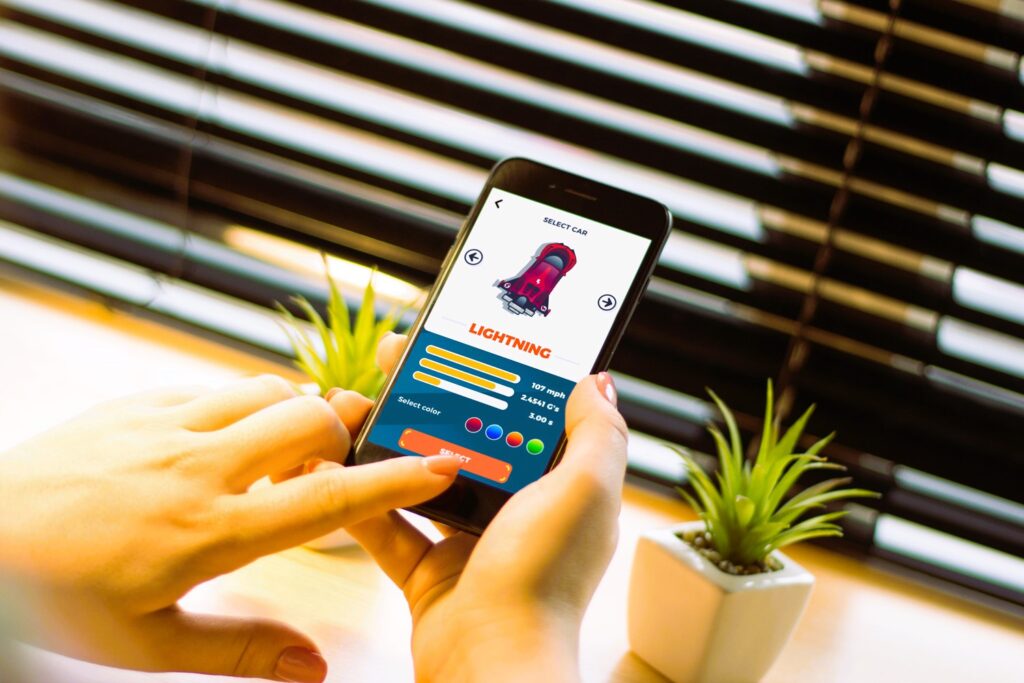
Performance is a critical aspect of mobile game development. A responsive UI should not only adapt to different screens but also perform efficiently. To optimize performance:
Key Considerations:
- Optimize Asset Sizes: Compress images and optimize assets to reduce load times and improve performance. Large assets can slow down the UI and impact the overall gaming experience.
- Efficient Rendering: Use efficient rendering techniques to minimize the impact on device performance. Avoid excessive use of animations and complex UI elements that can affect responsiveness.
7. Focus on User Experience (UX)
A responsive UI should enhance the overall user experience. Consider the following UX principles to create a seamless gaming experience:
Key Considerations:
- Consistent Navigation: Ensure that navigation elements are consistent and easy to use across different devices. Consistent placement and functionality help users become familiar with the UI.
- Feedback and Affordances: Provide clear feedback for user actions, such as button presses and touch gestures. Visual cues and animations can help users understand the effects of their interactions.
Building responsive UIs for mobile games requires careful consideration of various factors, including screen sizes, touch interactions, and performance. By following best practices such as designing for touch interactions, implementing fluid layouts, and optimizing for different resolutions, you can create a UI that provides a seamless and enjoyable experience across a wide range of devices. Testing on multiple devices and focusing on user experience will further enhance the quality of your game’s UI.
For more information on user interface design standards and best practices, you can explore the Wikipedia page on User Interface Design.